
AAE and ADA Leadership Collaborate on Advocacy Priorities Shaping the Future of Dentistry
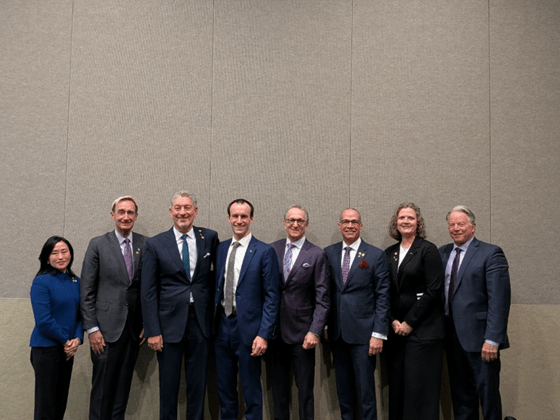
During the AAE Annual Meeting in Salt Lake City, AAE leadership met with the American Dental Association (ADA) to discuss shared priorities impacting endodontists, the broader dental profession, and patient care nationwide. The conversation reinforced the strong partnership between the two organizations and highlighted opportunities for deeper collaboration on advocacy, workforce development, dental education, and the future of dentistry.
A significant focus of the discussion centered on protecting the integrity of dental specialty recognition and ensuring transparency for patients. AAE leaders provided updates on ongoing state legislative and regulatory issues involving specialty advertising laws and the importance of combating misinformation and disinformation in dentistry to protect patient care. Building on previous conversations and the AAE’s national efforts to address root canal misinformation, ADA leadership expressed interest in expanding collaborative public education initiatives that promote evidence-based dentistry and strengthen public trust in dental professionals. Both organizations reaffirmed their commitment to ensuring patients have access to accurate, science-based oral health information.
Advocacy priorities at the federal level were another key topic of discussion including advancing the Resident Education Deferred Interest (REDI) Act and the Improving Dental Administration Act (IDA) initiatives. Both organizations emphasized the importance of continued grassroots advocacy and specialty engagement in advancing policies that support the dental workforce and improve access to care.
The meeting also highlighted ongoing collaboration between the ADA and recognized specialties through the Specialty Engagement Workgroup, which the AAE is a recognized member. This Workgroup also collaborates towards the ADA’s commitment to “Oral Health 2050” and ongoing workforce research efforts examining the future of dentistry, demographic trends, and evolving patient needs. The AAE emphasized the importance of continued access to specialty-specific economic and workforce data to help endodontists successfully navigate changes within the profession.
The meeting concluded with both organizations reaffirming their shared commitment to advancing the dental profession, supporting evidence-based care, and strengthening collaboration on the issues most important to dentists and patients alike. Through continued partnership, the AAE and ADA will remain focused on protecting patients, supporting providers, and shaping the future of oral health care.