
Resident Spotlight: Dr. Jan Groth
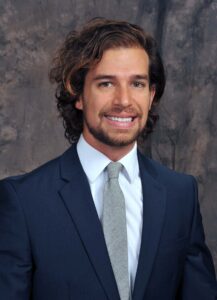 Compiled by Dr. Blake Clarke
Dr. Jan Groth is a resident at the University of Minnesota. Here, Dr. Blake Clarke catches up with him and learns more about his journey to endo.
Dr. Blake Clarke: Dr. Groth, thank you for taking the time to speak with us. Could you begin by telling us a little about yourself and your background?
Dr. Jan Groth: Thanks for having me! I’m an endodontics resident at the University of Minnesota.
Before returning for residency, I spent several years in private practice as a general dentist in Minneapolis and Miami Beach. Over time, I noticed that the days I went home feeling most fulfilled were the ones when someone arrived miserable from a severe toothache and left comfortable, often surprised that the root canal was not the horror story they had imagined. I genuinely enjoy the psychological side of what we do: caring for someone who is terrified by the words ‘root canal,’ earning that patient’s trust, keeping them comfortable, and turning the experience into a positive one.
Outside dentistry, I enjoy staying active and exploring. I love snowboarding and taking on major treks through different landscapes, whether on high-altitude trails or in remote terrain. I also enjoy deep conversations, learning about space, caring for plants, and working with my hands on design and woodworking projects. I believe in making time to enjoy life and finding meaningful ways to give back to the community around me.
Dr. Clarke: You practiced as a general dentist for several years after graduation. When did you decide to pursue endodontics, and what led you to that decision?
Dr. Groth: Practicing as a general dentist gave me the opportunity to explore a broad scope of care while navigating different practice cultures, patient communities, and procedures. Although I have always loved dentistry, consecutive years of undergraduate education, research, and dental school had absorbed a significant chapter of my life. After graduation, I felt it was important to step away from academia, gain real-world perspective, and reconnect with life and the community around me. I always had an eye on endodontics, but working as a general dentist first gave me invaluable clinical perspective and personal balance.
About four years into practice, I reached a transitional point in my life and knew I would be moving. That gave me space to step back and reevaluate what truly drove me. I realized I wanted deeper knowledge and the opportunity to refine my skills in the areas where I felt the greatest passion and natural strengths: saving teeth and helping patients manage anxiety. With that clarity, returning to specialize felt like the right decision.
Dr. Clarke: You mentioned that finding meaningful ways to give back is important to you. How do you hope to carry that into your career after residency?
Dr. Groth: Growing up with Mexican and German heritage, connecting across different cultures has always felt natural to me. Serving on dental brigades abroad, including in Guatemala, showed me how powerful those connections can be. Using my native Spanish to communicate directly with patients allowed me to address some of the fear that often surrounds dental care.
Long term, I hope to establish a sustainable brigade in Latin America that provides free specialty dental care while partnering with the local community to support its growth beyond the dental chair.
Many patients arrive for endodontic treatment already anxious about the procedure. What have you learned about earning their trust and helping them feel more comfortable?
Most patients don’t come in with only a painful tooth. They also bring years of accumulated dental anxiety and secondhand horror stories, all while being asked to put themselves in a vulnerable position. I’ve learned that earning their trust begins with genuine empathy.
Before I recline the chair or pick up a mirror, I make a point of connecting with them on a human level. I meet them eye-to-eye, validate their apprehension, and make sure they retain a sense of control.
When patients realize that you see them first and their root canal second, their anxiety often begins to ease. Turning an appointment someone has dreaded for weeks into a comfortable, almost anticlimactic part of the day is one of the most rewarding aspects of this specialty.
Dr. Clarke: That is an excellent approach to caring for patients with dental anxiety. For our final question, what is one piece of advice you would give to dental students or general dentists who are considering a career in endodontics?
Dr. Groth: My advice would be to give yourself grace and move with intention rather than simply following momentum. Whether you are accepted directly out of dental school or spend valuable years in general practice, both paths have real advantages. What matters most is giving yourself the space to step back and reconnect with what truly motivates you. It is easy to get caught up in academic milestones, but when you pursue endodontics out of a genuine passion for saving teeth and relieving pain, the demands of the profession feel worthwhile.
Dr. Blake Clarke is a member of the AAE’s Resident & New Practitioner Committee.