
Strengthening the Future of Endodontics
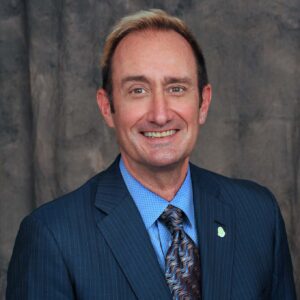
Dr. W. Craig Noblett, AAE President
As I begin my term as your president, Endodontics as a specialty seems to be in a secure position. Public awareness of endodontics is at an all-time high. The message that we are the specialists at preserving natural teeth is definitely resonating with the public, reflected in the high level of demand for specialty endodontic care. Our practices are busier than ever. While it might be tempting to relax and pat ourselves on the back for a job well done, we must resist the urge to rest on our laurels and maintain our vigilance in promoting and protecting our specialty.
We face significant external challenges ranging from attempts to erode specialty recognition and the process by which that occurs, efforts to undermine public health initiatives such as water fluoridation, scope of practice modifications, the curtailment of federal student loan availability, and the capricious and often malicious withholding of research funds. In response to these and other concerns, I am happy to report that our regulatory surveillance and advocacy efforts are at the highest level that I have ever observed. Recent examples of our advocacy activity include a robust campaign in Ohio to preserve and strengthen the regulations governing specialty advertising as well as opposition to anti-fluoridation legislation in Iowa and Kentucky. Happily both anti-fluoridation bills were defeated – a significant victory for public health. We have also been actively supporting legislation aimed at dental plan reform in several states. But not all threats are external.
We are facing a significant existential threat to our specialty, and it is one for which we have yet to come up with any viable definitive solution. The critical shortage of full-time educators. More important than any device, instrument, technique, or material, educators are critical to the survival of our specialty. Without qualified graduate program directors, the future supply of endodontists could start to decline even as the demand continues to increase. Let’s face it –my colleagues and I might love what we do in educating our future endodontists, but we aren’t getting any younger, and as retirements start looming on the horizon, we are going to need people to take our place. This is a topic on which I would like to focus more during this upcoming year. I am hoping we can gather some definitive information as to what creates the barriers to careers in education – beyond the obvious financial considerations, so that we can work toward a meaningful and effective solution. This is not something that we will be able to solve in just a year’s time, but I look forward to collaborating with the Foundation’s Task Force on Endodontic Education to explore the possibilities, and I would welcome any feedback as to your perceptions in this area.
Another significant external challenge that we face is the alarming increase in mis- and disinformation to which the public is exposed. The aggressive nature of this messaging and the shameless exploitation of the public’s fear and lack of knowledge requires a thoughtful and strategic approach in combating this false information. Your AAE leadership is actively engaged in developing strategies and responses to the different false claims regarding endodontic treatment. This effort will also include regulatory messaging for legislators with the approach of protecting the public from inaccurate information that could adversely affect their health. Our extremely successful public awareness campaign will continue as a complementary effort as we continue to present the benefits of preserving natural teeth and portray our specialty in a friendly and favorable light.
I hope at this point, you are wondering what you might do to help with the efforts to secure the future of Endodontics. I learned early on from my dad that members of a profession are responsible for its health and wellbeing. If we don’t care for it, others will step in and attempt to take over and regulate our activities. So what you as a member can do is stay engaged, volunteer your time, either with the AAE or your local component society. Participate in our advocacy efforts, either directly or in a supporting role. If you haven’t already, become Board certified. It is also critical that we all support our Foundation as it promotes not only research, but educators and education. Each of these will contribute to our favorable public image and help to ensure our future as a specialty.
I look forward to a challenging but productive year as your president, and I vow to keep you well informed of our activities on your behalf.